LoveyDovey vs Crush On AI: The NSFW AI Divide
Digital companionship is now a global thing. People open an app, choose a character, and talk for hours. The basic action looks the same in Seoul, Toronto, or Los Angeles. The feeling around it can be very different.
Culture shapes what users expect from NSFW AI. Some people want a guided romance. They like clear relationship stages. They enjoy the feeling of winning a character's trust. Other people want a wide-open world. They want to change the story at any time. They also want fewer limits on AI sex and fantasy scenes.
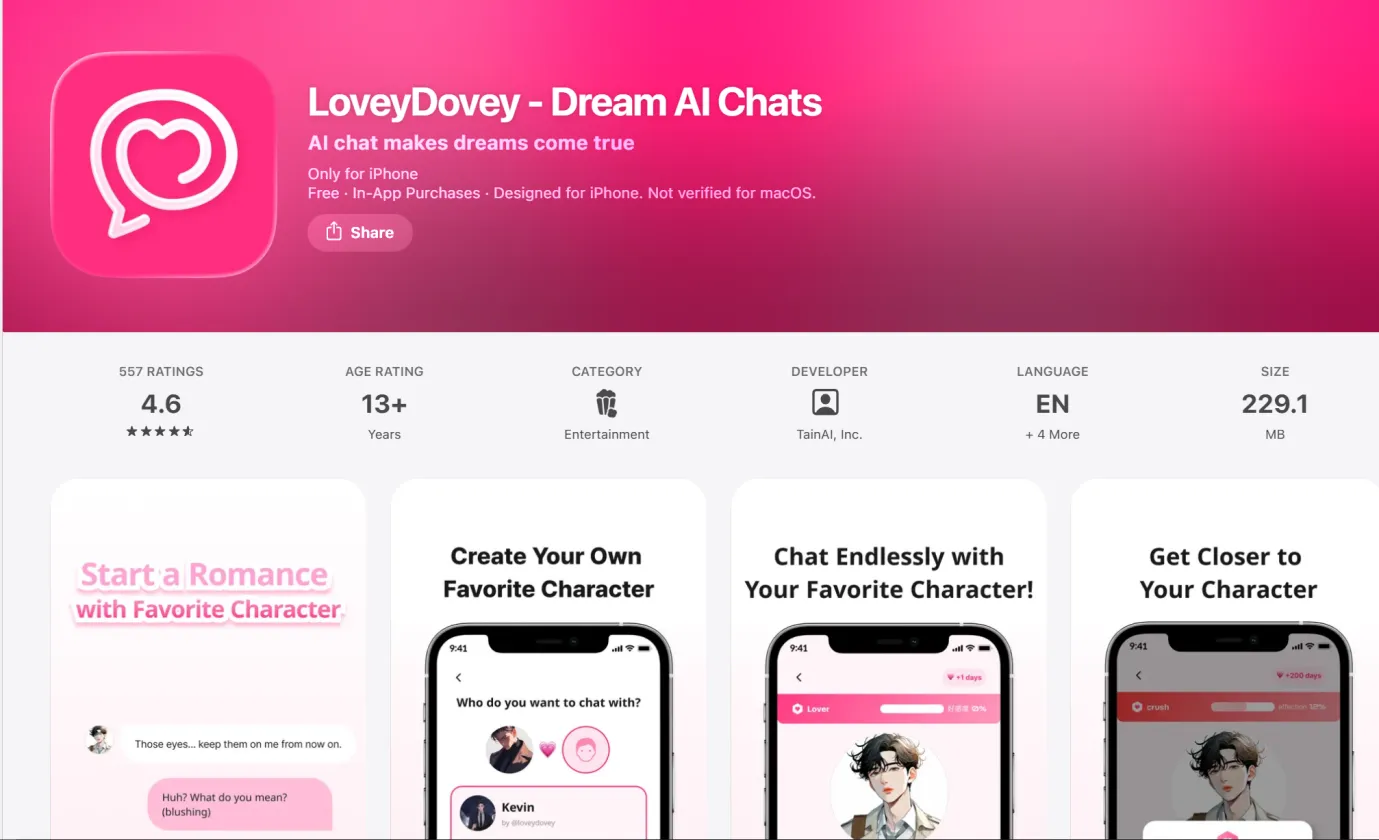
LoveyDovey and CrushOn AI illustrate two different product approaches. LoveyDovey emphasizes guided romance and relationship progression, while Crush On AI emphasizes character variety, customization, and open-ended roleplay. These are broad positioning differences, not fixed rules about Korean or North American users.
This is not a rule about every Korean or every North American. Real users are messy. Plenty of women like raw sandbox roleplay. Plenty of men enjoy slow romance. Still, product design often follows broad local habits. Those habits affect character art, payment choices, ads, and even the way a chat says hello.
The divide is less about East versus West as a fight. It is more like two playlists for two late-night moods.
One Global Market With Very Different Vibes
The companion market can earn money in many ways. A service may sell monthly access. It may sell message credit. It may offer gifts, relationship boosts, or special scenes. Each choice changes how the app feels.
In a relationship-style app, progress can be part of the fun. A character may start as a stranger. Then the bond moves toward a crush, a partner, or even a virtual marriage. LoveyDovey publicly presents a relationship system built around changing affection. That fits the feel of a romance game or web novel.
An open NSFW AI service works in another way. The user may want the full character from minute one. They do not always want to unlock basic affection. They may care more about long chat sessions, story freedom, and custom settings. A subscription can feel easier for that kind of use.
The money model also sends a message. Small paid items can make each emotional step feel special. Yet they can also make users feel pushed. A flat plan feels simple. Yet heavy users may still hit model or credit rules. "unlimited" is always worth reading closely before paying.
Both styles can work. The key is matching the price system to the emotional habit. A user who likes collecting moments may enjoy small unlocks. A user who wants a six-hour NSFW AI chat may prefer one clear monthly cost.
This is why the same companion app cannot simply change its language and call the job done. The whole product rhythm may need to change.
Why LoveyDovey Feels Like a Romance Story
LoveyDovey leans into dream romance. Its public app description talks about comfort, sweet excitement, custom characters, and changing relationship stages. The app also uses familiar romance categories, including modern love, fantasy, school stories, BL, and GL.
That setup feels close to Korean web novels and mobile dating games. The character is not only a chat box. The character is someone the user slowly gets to know. The emotional journey matters as much as the final scene.
Idol culture can also help explain the vibe. Fans are used to regular updates, collectible moments, direct messages, and the feeling of closeness with a favorite person. A companion app can borrow that rhythm. It can offer daily contact and a strong sense of "this character is waiting for me."
Romance-focused apps often use character art and emotional language designed for users who value care, validation, and gradual relationship development. That audience is diverse, and product positioning should not be treated as evidence about every user's gender or preference.
This does not mean LoveyDovey is only for women. It also does not mean Korean users avoid NSFW AI. The point is about positioning. LoveyDovey sells a structured romantic feeling first. More mature themes can sit inside that larger relationship frame.
Payment systems can support that frame. A user may pay for more time, more gems, or added relationship content. The purchase feels tied to emotional progress. it is the same reason people pay for a favorite game character. They are buying another moment in the story.
Why Crush On AI Feels Like an Open Sandbox
Crush On AI starts from freedom. Its main draw is character choice and open AI roleplay. Users can find anime characters, fantasy partners, modern roommates, and many other setups. They can also build an AI girlfriend with a specific voice and backstory.
Users who prefer this style often value control over the direction of the story. They may change the setting, rewrite a relationship, or begin a new branch without following a fixed progression system. The experience is structured more like an open sandbox than a traditional romance game.
That matters in NSFW AI chat. Adult roleplay can move in many directions. One person wants playful flirting. Another wants a long dark fantasy. Another wants direct AI sex chat with little setup. A sandbox supports those different moods.
Anime culture is also a major part of the visible community. Characters can borrow familiar archetypes without staying trapped inside one script. The user can talk with a shy classmate, a bold warrior, or a supernatural partner. Then they can change the pace in real time.
Crush On AI also puts model choice and character tools inside one service. Users do not need to connect an outside API. That removes a lot of technical work. For someone who wants AI porn chat at 1 a.m., fewer setup screens are a real feature.
Subscriptions fit this longer chat habit. The value comes from ongoing access, model options, and room for extended stories. Users should still check current plan limits. Plans change. Model access can change too.
The core feeling stays clear. Crush On AI sells narrative freedom. The user is the director, writer, and main character all at once.
LoveyDovey vs Crush On AI Side by Side
The two platforms overlap, but they speak with different accents. LoveyDovey feels like a romance app with live AI. Crush On AI feels like an AI sandbox with romance and adult options.
Here is the quick version:
| Area | LoveyDovey | Crush On AI |
|---|---|---|
| Main feeling | Guided emotional romance | Open character sandbox |
| Visible audience pull | Romance and web-novel fans | Anime and uncensored roleplay fans |
| Relationship style | Affection stages and progress | User-led story branches |
| Payment feel | Memberships and in-app items | Subscription and model access |
| Adult chat position | Part of a wider romance experience | A central freedom-focused use case |
The target audience is not a hard wall. Users cross it all the time. A Korean user may love the raw freedom of Crush On AI. A Canadian user may prefer the sweet structure of LoveyDovey. Culture affects the first pitch, not every final choice.
The platforms also frame emotional safety differently. LoveyDovey may create safety through a known relationship path. The user understands where the bond is going. Crush On AI creates safety through control. The user can set the character and move the scene.
For mature roleplay, this distinction matters. Structured romance asks users to build a relationship over time, while open-ended roleplay lets them define the experience more directly. Neither approach is automatically better; the right choice depends on the user's preferred pace and level of control.
The best platform is the one that matches the user's actual habit. That matters more than any culture-war headline.
How Local Marketing Changes the Message
A companion service cannot use the same ad everywhere. The words that feel cute in one place may feel awkward in another. The same character art may also send a different message across markets.
South Korean mobile marketing often lives close to social feeds, fandom culture, and visual storytelling. A short character clip can sell the mood. An influencer can show a funny chat moment. A limited event can give fans a reason to return ASAP.
Western marketing for NSFW AI often grows through forums, search, creator communities, and direct comparisons. Users ask raw questions. Does the site allow adult chat? How good is memory? Which model writes better? Is the plan worth it? A useful page that answers those questions can bring steady traffic.
Discovery channels also differ by market. Search, forums, creator communities, app stores, and social media can each shape how users compare memory, model quality, character tools, adult-content policies, and subscription value.
Localization also goes beyond translation. A U.S. ad may use humor and direct freedom language. A Korean ad may focus more on chemistry, care, or a favorite character type. That is a marketing choice, not a claim about every person.
Digital Intimacy Is Never One Size Fits All
LoveyDovey and Crush On AI are not two sides of a simple battle. They are examples of how digital intimacy gets packaged for different moods.
LoveyDovey puts romance progress near the center. It offers custom characters, emotional comfort, and relationship stages. That fits users who enjoy a guided bond with a game-like heartbeat.
Crush On AI gives users more room to direct the fantasy. Its appeal comes from custom roles, anime-inspired characters, long conversations, and flexible story settings. That can suit users who prefer to steer the roleplay themselves.